• I graduated college a few years ago. A lot of changes happened financially for me, and I realized I had extremely little guidance on what to do and what NOT to do. I will be honest, I made some mistakes. But I also built some habits that really helped me financially. Here are some of the things I learned.

    1. Do not buy that new car

    Ok, this is where I made a mistake. I will admit it. Here was the situation: I was moving to a new city far away from my previous one. At the time, I was fortunate enough that my parents had let me use my mom’s old car all through college. It was an old Toyota Camry, and had around 200k miles on it. The air conditioning was completely broken and needed around $2000 in replacement parts. Also, it would’ve been a VERY long drive to drive it to my new location, or I would’ve had to pay around $1000 to ship it there. The car was hardly worth $4000 probably because of the AC issues. The decision we came to was to sell the car, and use the money as a down payment on a new car.

    What I did not realize

    It sounded like a no brainer at the time, get rid of the old car that is starting to have issues and get a new one that will last. So I bought a new car, and financed it. It is another very reliable car that will (hopefully) last me for years. But maintaining a car payment and putting that money down really set me back in the beginning. I would have likely been better off keeping the old car, saving up some more money, and maybe buying something 3-4 years old and used if the older car finally crapped out on me.

    What would I do?

    If you have a car, keep the old car as long as you can, and get a head start financially. Don’t shoot yourself in the foot in the beginning.

    Need a car?

    If you need to buy a car, go with 3-5 year old used car from a reliable brand. Toyota, Honda, Mazda, Lexus, or Subaru. The car market is tough, do your research thoroughly and be diligent when negotiating with a dealer.

    2. Go open a Roth IRA account right now

    This one is a no brainer. If you are not familiar with a Roth IRA, it is a retirement account where your contributions can be invested and the investments will grow tax free. If you are at least 18 years of age, you can go online and open an account in probably less than 10 minutes. Fidelity is a great option for this. 

    Even if you do not plan to contribute any money immediately, just open an account because some benefits of the Roth IRA depend on how long you have had the account open. There is a $7000 limit currently to contribute yearly for people under the age of 50. Once you can put aside some money, start contributing early to watch your investments compound.

    3. Get a no annual fee credit card and start building credit

    If you’ve never had a credit card, it may sound like a bad idea. Why get a credit card where I will just spend, spend, spend? I am going to lose money. And yes, this does happen. But if you use it the right way, it can really help you in the long run.

    The main reason you should get a credit card early is for this reason: a large metric of your credit score is based on how long you have had a credit history. The earlier you get a card, the earlier you can build credit. Just make sure to pay off the statement in full before the end of each month. Maintaining a balance or missing payments can significantly hurt your credit score. Not to mention, you will have to pay very high credit card interest rates if you do not pay it off.

    What card?

    My recommendation is the Discover It card. It is a great all around starter card and has no annual fee.

    Get a credit card with no annual fee, buy maybe one or two things that you would normally buy anyway on it, and pay it off. Keeping this habit will help your credit score in the long run. A good credit score can help you get better rates when you are looking for a mortgage or car loan.

    4. Start contributing any amount to an investment account

    It is one thing to have a savings account with an emergency fund. But I think it is also important to have a brokerage account where you just invest in stocks, ETFs, index funds, etc. Not only will this act as it’s own savings account, it will compound over time and it will even teach you a little about investing in general and how it is not as daunting as it seems at first.

    I would highly recommend setting aside a set amount each paycheck that will go into this account. If your pay system allows it, set it up so it automatically sends a set amount to the account. It is a mental thing, but it really helps if the money just automatically goes there.

    The common advice that I mostly follow is to start off by investing in ETFs (Exchange Traded Funds) that track the S&P 500. An ETF, put simply, is a basket of stocks that you can invest in. VOO is a popular example of one. Here’s why I pick these type of ETFs: over the last almost 100 years that the S&P 500 has been around, it has returned 8.55% on investments. That is much higher than a savings account would return in interest, however of course it carries the risk of the stock market going down.

    Let’s just put it this way. If you invested just $100 per month, and it compounds at that rate of 8.55% that we talked about, that will be around $359,000 dollars after 40 years. Wow!

    5. USE YOUR BENEFITS
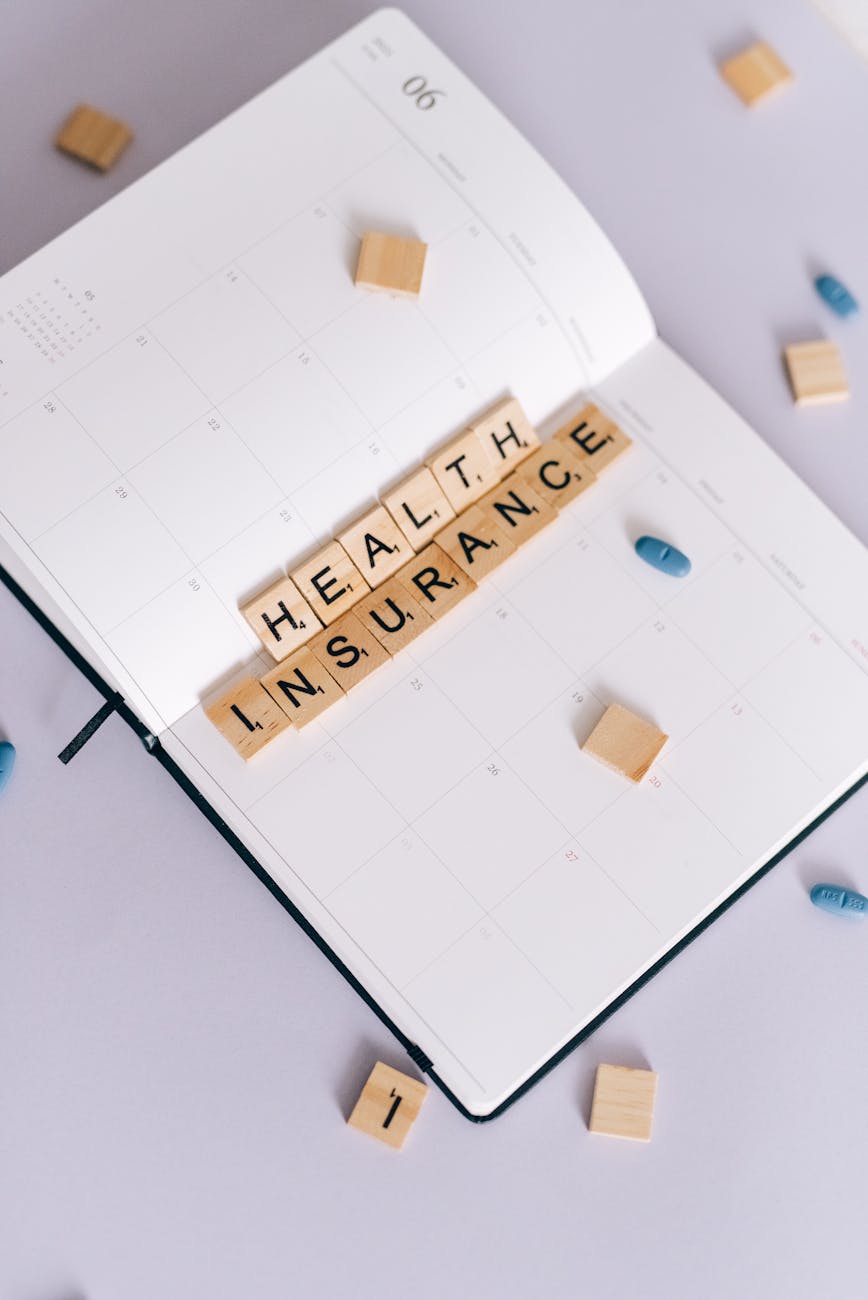
    One thing you will quickly realize when you get your first big job is that the government takes a lot of money from you in taxes. One of the few ways around this is to maximize your employment benefits. What do I mean by this? Here are 2 main benefits that I use.

    Maximize 401k matching

    Check your 401k plan to see what your company will match. This is basically free money as long as you maximize it. Use this to your advantage!

    Max out HSA (if available)

    If you are on a High Deductible Health Plan (HDHP) for your health insurance, you should have access to an HSA. If this is the case, I would suggest maxing out your HSA contributions every year. These contributions are pre-tax, grow tax free, and are not taxed on withdrawals for qualified medical expenses. This is a huge tax leverage!

    Conclusion

    Hopefully these tips can point you in the right direction! I feel much better about my savings after implementing these things in my finances. Until next time!


  • Listen, when your entire job revolves around traveling, you learn a thing or two about what to do and what NOT to do. Some of these are based off of personal experiences as an airline pilot, and others are based off of just what I see around the airport. These hacks will make your travel experience both easier and more enjoyable.

    1. Don’t dress too comfortably

    Ok, this one may be controversial, but hear me out. Often I see people dressing in sweatpants, sweatshirts, baggy t-shirts, etc. to travel on an airplane. There is nothing wrong with that. However, the feeling that comes with dressing just a little bit nice for a flight is so much more worth it. Rocking business casual just to take a flight is a power move, and your self-esteem will thank you. You will feel much more confident walking around the airport.

    Not just travel

    In my experience, this same philosophy can be applied to many things in life. Just dressing a little nicer to go to the grocery store will make you feel much better about yourself than showing up in sweatpants.

    2. Just get the lounge credit card

    I should first note that this only applies if you travel more than ~5-6 times per year AND you normally fly out of a major airport (not small regional airports). If you do not travel this much or if you typically fly out of airports with no lounges, skip to the next point. And I know what you’re thinking; terrible advice. Why should I spend hundreds of dollars a year on a credit card annual fee? And you’re absolutely right. It sounds like a bad financial decision at first, and it can be. UNLESS you use it right.

    Why?

    Nobody likes sitting around in a busy terminal with people running around to make their flights and boarding announcements going off every minute. Nobody likes paying marked-up prices for mediocre food and drinks. The lounge fixes these issues. Typically you can get much better food for no additional cost (not including the annual fee of course). And you can get drinks at the bar, and sit in a quiet lounge to relax. Travel can be stressful, but this makes it 10x better.

    What I recommend

    Get the credit card with lounge access that is at the airport you will use the most. For example, if you live in Denver (or often connect through Denver), get the Capital One Venture X card. This is the one I personally have, and the lounge experience has been great. The Capital One lounges have great complimentary food options, full service bars, coffee, to-go food, clean bathrooms, etc. Not to mention a much more peaceful experience than sitting in a terminal.

    Do some research on your airport and see what lounges are the best there. There are great options from Chase, Capital One, Amex, and Delta SkyMiles.

    Be smart

    With any credit card, I would highly recommend paying off your full statement at the end of every month to avoid interest. This is no exception, accruing credit card debt makes this whole idea not worth it, so just do not do that if you can at all avoid it.

    Additionally, make sure to make full use of ALL the benefits the card offers. At the time of writing this, the Venture X card still offers $300 travel credit, Hertz President’s circle, Global Entry reimbursement, and more. I was also able to get a hefty amount of bonus miles just for signing up the for the card. Make sure to take advantage of all of these (listed on their website).

    The downside

    Here’s the issue with these lounges; LOTS of people are starting to realize they want the airport lounge experience. What that means is longer wait times to get into lounges, and also the credit card companies are making them harder to get into by raising prices on the cards, or taking the benefit away from certain customers (like standby flyers). It is very possible they keep this up and continue to make them more expensive or taking away privileges like free guests. BUT in the meantime, I think it is still worth it.

    3. Use an app to track your airplane

    This is one that I am surprised more people do not do. Often times, airlines are bad about updated flights when there are delays. One very common example of a reason a flight is delayed is because the aircraft is running late from its previous flight. I would recommend keeping an eye on your plane using an app to see how far away it really is, and it will help with planning and timing when you need to be at your gate.

    What app?

    My go-to app is FlightRadar24. It is free and does what I need it to do. Another great option is Flighty, but they do charge money for certain features. The free version of Flighty is great at notifying you of gate changes and updates to your flight. FlightAware is also free and does the trick for tracking aircraft.

    Once you get one of these apps, type in your flight number. Typically you can find the tail number of the aircraft from there, and you can look up that tail number and see where it is and how long it will be until it arrives.

    My experience

    There have been several occasions where I look up where my plane is, and it shows on the app that it is still an hour away. Meanwhile, the gate is still showing my flight as “On time”. But knowing that the plane is really an hour away allowed me to go to a lounge or grab food instead of sitting around the gate waiting. Be cautious and make sure to regularly check your flight status because often the airline will switch aircraft if there is availability.

    This trick is also great in the air if you have inflight Wifi. FlightRadar24 will often show a much more accurate ETA than the in-flight entertainment system shows. That will allow you to plan pick up times more accurately if you have friends or family picking you up. Bonus points if you send them the flight number and THEY use the app to track how far out you are. Of course make sure they factor in the time it takes to deplane and exit the airport (15-30 mins typically).

    4. Pack the essentials

    There are certain things I keep in my personal bag that I consider necessary whenever I am flying as a passenger. My first blog post (5 Essentials Every Airline Pilot Must Carry) covers what I have. But my recommendation for YOU if you are flying on a passenger is to carry these things whenever you fly (and have them handy in your personal item bag):

    Phone charger AND portable charging port

    This one is a no brainer. Might as well charge up on the plane!

    Sweatshirt or hoodie

    Typically aircraft cabins are kept at a cooler temperature, and the air at altitude is thin. For longer flights, I find myself getting a little chilly, especially if I am trying to sleep.

    Hand wipes

    Listen, airlines typically send cleaners to clean the interiors between each flight. But they are not always going to have time to clean every single surface. Bring some wipes for when you eat food.

    Headphones (noise canceling if you got it)

    I talked about in the last blog how I love my Sony WH-1000XM4 headphones. Having noise cancellation on the airplane is a game changer.

    Food!!

    Take my advice, pack yourself a sandwich or a wrap and some snacks for your plane ride. It is a common misconception that food is not allowed through TSA, but you can in fact bring solid foods. Take advantage of this and your future hungry self will thank you.

    Water bottle

    It is also a misconception that you cannot bring a metal water bottle through security. But you sure can! Just make sure it is empty when going through TSA, then find a refill station inside the airport. Aircraft air is dry and you’ll want some extra hydration.

    What else do you pack? Let us know in the comments!

    5. Just relax

    Last but not least. Travel does not need to be stressful. Leave a little early, give yourself enough time to get through security (and maybe go to the credit card lounge) and get to the gate, and relax. Flying has this romance to it that can easily be overlooked in the heat of the moment.

    The friendly skies

    Flying is beautiful. Waking up super early and hopping on a plane to see a sunrise is one of those feelings that cannot be replicated elsewhere. Try to look out the window a bit and enjoy the moment. This dance in the sky was hardly accessible to the average person 100 years ago.

    Conclusion

    Hopefully these helped you out at least a little for your next trip! Let us know in the comments if you have any other travel hacks or things you struggle with while traveling. Until next time!

  • No, this is not sponsored. Just my honest thoughts on what every airline pilot should carry in their flight bag besides the essentials like documents, iPad, chargers, safety vest, etc.

    1. Quality Aviation Headset

    First things first. EVERY pilot should have a quality aviation headset. This one is a no brainer. My go to is the Bose A20 headset. I still remember to this day, putting those bad boys on for the first time in a Cessna 172 and activating the noise cancelling. It was a night and day difference from the crappy starter student pilot headset I had beforehand. The peace and quiet made flying feel like a blissful dream.

    Still the best

    Fast forward almost 6 years later, and I still have my trusty A20’s in my flight bag while flying a much larger jet. Sure, I’ve had to replace a few bits and pieces like the cable assembly and the ear pads, but it was covered for 5 years under the warranty. It saddened me to see they stopped making replacement parts, most likely in an effort to sell the new A30‘s. But I’m holding on to these until I can’t anymore.

    Bose has been known to have great customer service, and will replace parts under warranty often with no questions asked. When my cable stopped working years ago, they sent me a whole new cable ($200 value) for free.

    Other options

    Regardless of whether you have the A20’s or not, Active Noise Reduction (ANR) is a no brainer to me no matter what you fly. Go with some Bose ProFlight’s if you prefer the in-ear type of headset. Or maybe some David Clark’s if you’re looking some smaller over-the-ear headsets. Lightspeed Zulu’s get phenomenal reviews as well (if your company does not care about TSO approval). One thing is for certain, do not be the guy that wears the ship headset. The headsets that are on the aircraft are missing the microphone cover/windscreen and can become very annoying (for BOTH pilots) after hours in flight.

    2. Sunglasses (but not just any sunglasses)

    This one took me a while to figure out what I really wanted. But I finally have it nailed down. I never really was an “aviator” style sunglasses guy. There is nothing wrong with wearing them, and I am sure they are great to fly with. But to me, it almost felt too cliche to wear aviator sunglasses as a pilot. It’s like someone is trying to scream “I’m a pilot!” if they wear aviators. They were cool back in the day when it was just pilots that wore them. Now it seems like everyone wears them just to look cool.

    The Dilemma

    So for a while, my go-to sunglasses were Ray-Ban Clubmasters. I liked the look of them, and I was able to find some with a thin enough frame where they did not dig into my head too badly. However, even with the thin frame, they got uncomfortable after long flying days.

    The moment that switched me away from these, and about 90% of sunglass styles was pretty recent; I was flying a takeoff and the sun was just starting to rise. The sun was at the perfect angle where it shined directly into the side of my face, into the gap between the sunglass lenses and my eyes. I realized this happened quite often while flying.

    Not to mention, when we went into clouds or it got slightly darker out, the tint of the sunglasses made it almost too dark in the cockpit.

    The Gold Standard

    How did I tackle these issues? I got myself a pair of Flying Eyes Golden Eagle Sport sunglasses. Absolute game changer. They have a super thin 1mm frame that you forget you are wearing. And they also wrap around my face and cover the sides as well. They have a gradient lens to make viewing the instruments easier. No, they were not cheap. $250 to be exact. But to me this was well worth the investment since I wear sunglasses constantly at work. They also are not my typical style in terms of looks. But in the cockpit, who cares about looks?

    3. Deadphones

    Yes, I made that word up. But it is really just the combination of “deadhead” and “headphones”. Listen, you’re going to get an unexpected deadhead sometimes and you have GOT to be prepared. Get yourself some nice ANR headphones or earphones to listen to music/movies/shows on your deadhead.

    What do I use?

    I got some Sony WH-1000XM4 Wireless headphones a couple years ago and have not looked elsewhere. I put them on and feel like I’m in my own world on a deadhead. They have fantastic noise cancelling that honestly feels just as good as the Bose A20’s in my experience. And they have amazing sound quality and battery life that can last me several trips. Can’t ask for much more than that. I usually keep these in my carry-on bag with my clothes to save space then I move them to my flight bag when a deadhead or commute comes up.

    AirPods

    If you prefer lower profile wireless earbuds, you can’t go wrong with AirPods or similar. But to me it is hard to beat the sound quality that comes with over-the-ear headphones.

    Let us know in the comments what you use for listening devices!

    4. Snacks

    Speaking of being prepared, you need to be ready when you have a 4am van, no time to get breakfast, and a long day ahead of you. Heck, when that maintenance delay hits and you are sitting around for hours, you definitely need some food. Pack some quality snacks that are not those unhealthy airplane snacks. I like to bring breakfast bars, trail mix, almonds, and beef sticks. If you bring a cooler bag with some ice packs in it, maybe even bring some carrots to snack on. These snacks fill me up a little more than your typical chips or pretzels and they can usually hold me over until the next meal.

    I am going to do another blog about eating healthy as an airline pilot. I’ve seen too many guys/gals go down the path of constantly eating airport food or snacks from the airplane. There is nothing wrong with that, we all do it. Sometimes you have no choice. But making a constant habit out of it can be detrimental to your health. This blog will include my personal ways to get around this habit.

    5. Flashlight

    This one is more for my FO’s out there. The ship flashlight does not cut it for doing a late night or early morning walk-around. The thing is about the brightness of a candlestick. Go on Amazon and get yourself any LED flashlight and I can almost guarantee whatever you pick will be brighter than that ship flashlight. The last thing you want is a call from the Chief Pilot’s office saying there was a bird strike on your aircraft that you did not see.

    Conclusion

    There you have it, 5 things you should always have in your flight bag as an airline pilot. Let us know in the comments if you carry any other noteworthy items in your flight bag, we are always happy to listen. Stay tuned for the next blog!